Wrongful Termination
This is a matter close to our hearts. We have a strong sense of justice and have dedicated our careers to upholding the principles of right and wrong.

Losing your job can be an incredibly stressful and life-altering event. Often, you might be left in the dark about the reasons for your termination. In other instances, you might believe your employer's stated reason is untrue. What many people don't realize is that your termination could potentially be unlawful, entitling you to compensation. Our attorneys specializing in wrongful termination are here to advocate on your behalf.
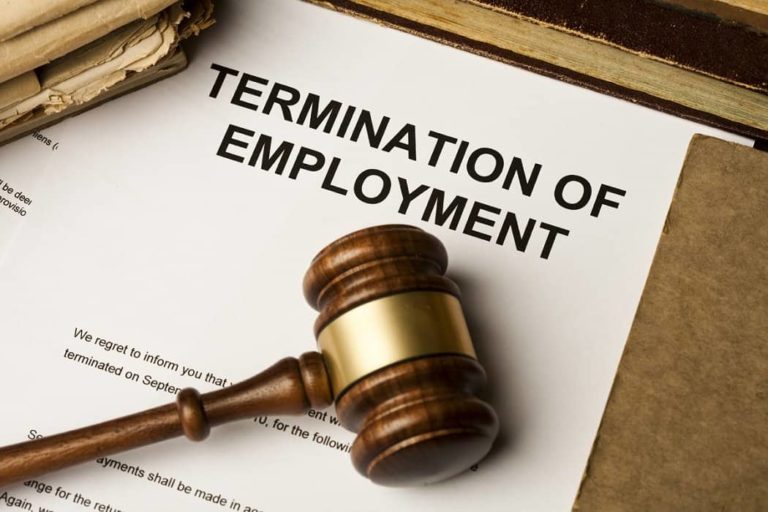
Absolutely! In California, the standard employer-employee relationship is considered "at will." This generally allows either the employer or the employee to end the employment at any time, for any reason, or for no reason at all, provided there's no employment contract stating otherwise. Nevertheless, an employer is PROHIBITED from terminating your employment for reasons that are in breach of state or federal law. Enlisting the help of a lawyer specialized in wrongful termination can assist in demonstrating that your dismissal was based on unlawful grounds.
Both state and federal laws offer safeguards to employees who have been unlawfully dismissed. If you suspect that your termination was a result of discrimination or retaliation by your employer for actions you took, you might be eligible for compensation. Similarly, if you were terminated for reporting a legal violation or for refusing to engage in illegal activities, it's advisable to seek legal counsel.
Unfortunately, many employees are terminated daily for reasons that are against the law, and a significant number of them are unaware that they might have grounds for a lawsuit. It's crucial to understand that even employees classified as "at-will" cannot be lawfully terminated for reasons that violate the law.
If you believe your dismissal was unjust, you could be entitled to compensation. The attorneys at Employment Attorneys Sacramento who specialize in wrongful termination are committed to ensuring you receive the maximum compensation possible in your wrongful termination case. We are here to support you throughout the legal proceedings.
Wrongful termination claims typically involve one or more of four categories of legal safeguards. If you believe your dismissal falls under any of these categories, you might have grounds for a wrongful termination lawsuit:
- Laws Against Discrimination
- Laws Against Retaliation
- Legally Protected Activities
- Breaches of Public Policy
1. Laws Against Discrimination:
Both state and federal laws prohibit termination based on specific protected characteristics. This signifies that you CANNOT be dismissed because of your:
- Age (applicable to individuals 40 and over)
- Gender identity, expression, and transgender status
- Marital status
- Medical conditions (including genetic traits and information)
- National origin and ancestry (including driver's licenses for undocumented workers)
- Physical or mental disability
- Pregnancy, childbirth, breastfeeding, and associated medical conditions
- Race and color
- Religion
- Sex (including sexual harassment)
- Sexual orientation
- Military and veteran status
- Union involvement
For instance, if you think you were terminated due to a disability that necessitates work-related limitations which your employer ignored, you probably have grounds for a wrongful termination lawsuit based on disability discrimination.
2. Laws Against Retaliation:
Your employer is prohibited from terminating your employment because you exercised a right provided by state or federal law. Commonly, anti-retaliation claims arise when an employee declines to break the law, such as improperly disposing of hazardous materials or agreeing to work for less than minimum wage or mandatory overtime rates. These claims also arise when an employee reports an employer's suspected legal violations to a government agency, often referred to as "whistleblowing." Claims related to whistleblowing are becoming increasingly common. A lawyer specializing in wrongful termination can help you demonstrate that your termination was an act of retaliation.
- Affordable Care Act (ACA)
- American Recovery and Reinvestment Act of 2009
- Bankruptcy Reform Act of 1978
- California Occupational Safety and Health Act of 1973 (Cal-OSHA)
- Clean Air Act of 1977
- Consumer Credit Protection Act of 1968
- Consumer Product Safety Improvement Act of 2008
- Employee Polygraph Protection Act of 1988
- Employee Retirement Income Security Act of 1974
- Energy Reorganization Act of 1974
- Fair Employment and Housing Act (FEHA)
- Fair Labor Standards Act of 1938
- Fair Pay Act
- Federal Corporate and Criminal Fraud Accountability Act (Sarbanes-Oxley Act) of 2002, protection for whistleblowers.
- National Labor Relations Act (NLRA)
- Occupational Safety and Health Act of 1970 (OSHA)
- Protection of Juror’s Employment Act
- Title VII, Civil Rights Act of 1964 (Title VII)
- Protection for Wage Claimants
- Right of Employees to Disclose Information to a Government or Law Enforcement Agency
- Right of State Employees to “blow the whistle” on illegal activity
- And many more!
3. Protected Activities
Your employer is not allowed to terminate you for engaging in activities that are legally protected. Examples include:
- Having your wages garnished
- Revealing or choosing not to reveal your wages
- Choosing to participate in a drug or alcohol rehabilitation program
- Declining to permit the disclosure of medical records
- Participating in jury duty
- Engaging in political activities
- Serving in the military
- Serving as a volunteer firefighter, reserve police officer, or emergency responder
- Choosing not to do business with your employer
- Declining to participate in unlawful acts
- Taking time off to be present at a child's school regarding a suspension
- Taking time off for activities related to a child's school or childcare
- Keeping arrest records that didn't result in convictions private
- Choosing not to be involved in abortions
- The outcome of an AIDS blood test
- Working as an election officer on Election Day
- Reporting suspected victims of abuse or neglect, as required by law
- Sharing information about a legal violation with a government or law enforcement agency
4. Public Policy
Wrongful termination that goes against public policy occurs when an employee is dismissed for an illegal reason that breaches clear state or federal public policy guidelines. Generally, violations of public policy are categorized into four types:
- Dismissal for declining to break a law
- Dismissal for carrying out a legal duty
- Dismissal for utilizing a legal right or benefit
- Dismissal for disclosing a suspected violation of a law that serves the public interest
These types of claims often surface when an employee rejects unwanted sexual advances from a supervisor, notifies health and safety authorities about their employer, or files a wage dispute with the state Labor Commissioner. Remarkably, even if evidence suggests the termination was unrelated to these events, a claim for wrongful termination that violates public policy can still be valid!
- Termination for reporting to the employer that other employees engaged in bribery, kickbacks or tax evasion. Collier v. Superior Court.
- Termination for refusing to submit to drug testing, which violates the right to privacy created by the California Constitution. Senmore v. Pool.
- An employee who refused to perjure himself at a hearing despite his employer’s insistence that he do so to protect the organization. Petermann v. International Brotherhood of Teamsters.
- An employee who was forced to resign after refusing to enter into a sexual relationship with her supervisor. Rojo v. Kliger.
- An employee who reported adulterated milk to health officials. Garibaldi v. Lucky Food Stores, Inc.
- An employee who resigns voluntarily can still pursue a wrongful termination claim, referred to as "constructive discharge." Constructive discharge scenarios occur when an employer, instead of directly firing an employee, creates working conditions so unbearable that the employee feels compelled to quit. A constructive discharge claim can also be made if an employer presents an employee with the ultimatum of resigning or facing termination.
Common Questions You Might Have Regarding Your Termination:
- Can I initiate a wrongful termination lawsuit? What's the process for proving my wrongful termination case?
- Was my dismissal from employment considered wrongful?
- Was I unjustly terminated from my position?
- Is It Advisable to Consult a Wrongful Termination Attorney?
- How do lawyers specializing in wrongful termination establish such cases in court?
- What evidence can I provide to demonstrate that my termination was unlawful and/or unjustified?
- Is it possible to sue my employer for causing emotional distress?
- Is there still an opportunity to file a wrongful termination
lawsuit?
Not All Legal Professionals Are Equipped to Handle Wrongful Termination Claims
Wrongful Termination cases are intricate because they often hinge on indirect evidence to establish that the dismissal was indeed unjust. Therefore, it's essential to have a lawyer with extensive experience and a deep understanding of employment law. At Employment Attorneys Sacramento, we are both committed and knowledgeable in the field of California employment law.
Our Wrongful Termination Attorneys Will Inquire About:
- The duration of your employment with the company.
- The quality of your job performance, including any positive or negative feedback, promotions, bonuses, and salary increases.
- The nature of your relationships with supervisors, clients, and coworkers.
- The company's stated policies concerning harassment, discrimination, and termination procedures.
These are the kinds of inquiries a seasoned employment lawyer will make. If an attorney doesn't cover these points, they may be overlooking crucial aspects of your case.
-
- Incidents of wrongful termination are seen across a wide range of industries, positions, and organizations. Nevertheless, certain economic sectors experience a higher frequency of such cases. Below are some examples of industries where wrongful termination is prevalent:
- Healthcare
- Banking
- Construction
- Business Executive roles
- Entertainment Industry
- Leisure and Hospitality
- Financial Sector
- Educational institutions, including schools, universities, and colleges
- Retail Sector
- Manufacturing
- Nightclubs and Bars
- Professional Services Sector
- Incidents of wrongful termination are seen across a wide range of industries, positions, and organizations. Nevertheless, certain economic sectors experience a higher frequency of such cases. Below are some examples of industries where wrongful termination is prevalent:
- Larger corporations tend to encounter wrongful termination lawsuits more often, primarily due to their extensive workforce. When supervisors are responsible for managing a substantial number of employees, instances of misconduct are more likely to arise. Below are some of the companies and entities that frequently face employment-related legal challenges:
- Understanding the Statute of LimitationsThe statute of limitations sets the maximum time you have to initiate legal proceedings in court. Failing to file within this timeframe means you forfeit the chance to seek compensation for your damages. Wrongful termination cases are subject to a statute of limitations.Specific Time Limit for Wrongful Termination CasesWrongful termination is a broad term encompassing dismissals based on illegal grounds. These grounds include discrimination based on age, race, disability, marital status, or reporting a legal violation. For wrongful termination claims stemming from discrimination, you have 180 days from the most recent discriminatory act to secure a "right-to-sue" letter from the Equal Employment Opportunity Commission (EEOC). Following this, you have 90 days to file a lawsuit. Alternatively, the Department of Fair Employment and Housing (DFEH) grants a one-year period from the last discriminatory act to obtain a "right-to-sue" letter. After receiving this letter, DFEH allows an additional year to file a lawsuit in state court. Therefore, it's crucial to act promptly and consult a lawyer to protect your rights, as wrongful termination cases are time-sensitive. Options if the Filing Deadline Has Passed Generally, missing the statute of limitations deadline means losing the opportunity for legal recourse. However, a skilled attorney might explore a potential exception known as the Continuing Violations Doctrine. This doctrine could extend the one-year period if your lawyer can establish that some of the employer's actions occurred outside the one-year limit BUT are closely connected to actions that happened within that one-year timeframe.
If you suspect that your termination was unlawful, it's crucial to get in touch with a Los Angeles attorney specializing in wrongful termination as soon as possible. Having legal representation is vital when attempting to demonstrate that your dismissal was unjust. Please call us at (866) 395-7079 or reach out through our website for a complimentary assessment of your case. Keep in mind, our services are provided on a contingency basis, meaning you won't pay anything unless we secure a victory for you!